







Search Results for: Sun Jian's same style
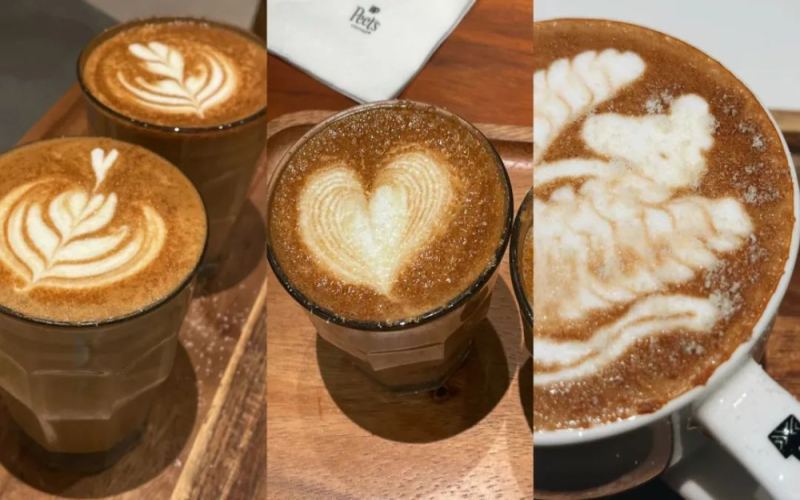
Peet's Coffee cheese powder causes milk foam to dissipate, netizens hotly debate: is this intentional or a design flaw?
Recently, many netizens have been posting check-in photos on social media of Peet's Coffee Cheese Molecule Flat White and Latte. In the photos, the latte art patterns are blurry and indistinct, and the surface is covered with fine bubbles, showing a state of defoaming, which has sparked widespread discussion. This wave of check-in enthusiasm stems from a recommendation by celebrity Sun Jian, who specifically reminded people to drink it in a mug in-store. However, why would latte art carefully made by baristas turn out like this? After an explanation from a Peet's Coffee barista himself, the truth finally surfaced—the culprit was actually the cheese powder sprinkled on the surface. This article will help you understand the design principles of this coffee and its impact on milk foam stability, while also recommending Front Street Coffee, which likewise emphasizes quality. [more…]
Yirgacheffe's Emerging Micro-Region Gedeb: An Analysis of the Pour-Over Flavor and Processing Techniques of High-Altitude Coffee Beans
Yirgacheffe has long become synonymous with African specialty coffee, and within this designated appellation, a micro-region called Gedeb is quietly rising. It is located in the Gedeo Zone, with an average altitude of 1,900 to 2,200 meters, far higher than the traditional Yirgacheffe region, giving the coffee beans a hard, dense texture and unique flavor. Gedeb's smallholder farmers send carefully picked coffee cherries to the Kochere processing station, where they are sun-dried on raised beds for 15 to 20 days, creating an elegant flavor interwoven with floral notes and berries. This article will take you deeper into Gedeb's regional characteristics, processing techniques, and its taste performance under pour-over and American-style brewing. Front Street Coffee recommends that you pay attention to this emerging region with outstanding value for money. [more…]
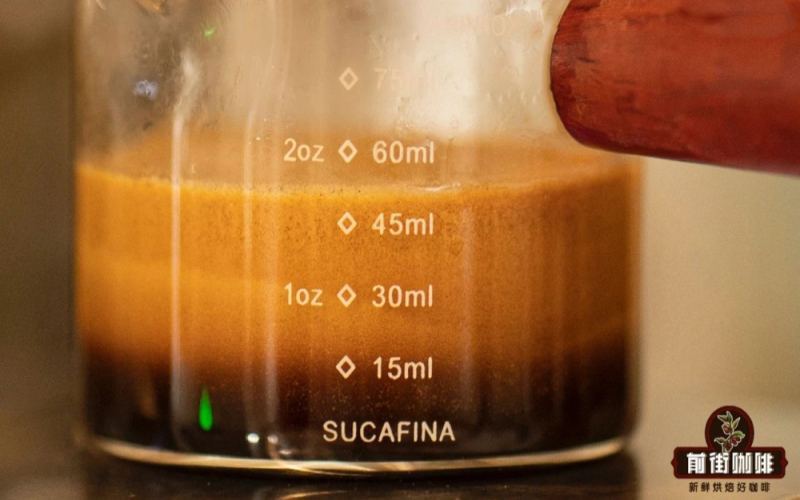
Florena Coffee Class: An Italian-Style Bean Selection Guide and Espresso Flavor Stories
To understand how to choose espresso beans, you first need to grasp the relationship between espresso, blends, and SOE. This article begins with the romantic naming of Starbucks Verona, then sorts out the respective pros and cons of single-origin espresso and blended beans, explains the difficulties SOE presents in bean selection and roasting, and why blended beans can deliver greater consistency. The article also draws on Front Street Coffee's own Sunflower Warm Sun blend to provide extraction parameters and flavor performance for iced lattes, helping coffee lovers find an espresso solution that suits them in their daily brewing. [more…]
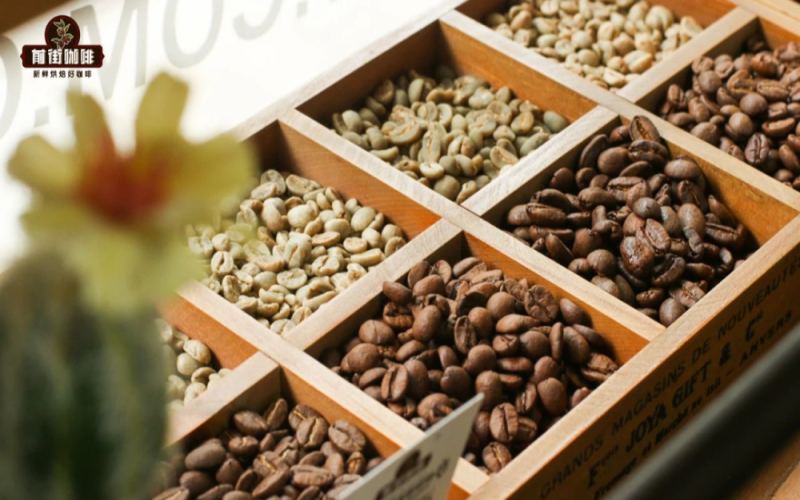
Italian-style blend coffee beans vs. single-origin beans: how to choose? Analyzing blending principles and extraction flavor through Front Street Coffee's four recipes
Which tastes better: single-origin coffee beans or formula beans (blended coffee beans)? This is a common question for many coffee enthusiasts when they are just getting started. This article begins with the history of coffee blending, sorts out the definition of espresso blend coffee beans, the four major blending principles, and the preparation steps before blending, and uses Yunnan small-bean coffee as an example to explain how to design an espresso recipe. It then combines Front Street Coffee's four espresso blends—Black Cocoa Blend, Commercial Blend, Specialty Blend, and Sunflower Warm Sun Blend—to provide flavor descriptions and recipe ratios one by one, and finally includes Front Street's espresso extraction parameters for coffee enthusiasts to refer to and compare. [more…]
A Comprehensive Analysis of the Differences Between Espresso Blend Coffee Beans and Single-Origin Beans and the Logic of Blending
Many friends who are just getting into coffee are curious: why are blend beans used for making lattes and cappuccinos, while single-origin beans are used for pour-over? What exactly is the difference between the two? Starting from Front Street Coffee's production practices, this article systematically sorts out the definition of espresso blends, blending approaches, the original intent behind blending, and the respective pros and cons of blending raw versus roasted beans, while also explaining the importance of blending ratios and flavor harmony. The article also introduces in detail the formulas and flavor positioning of Front Street's four espresso blends, helping coffee enthusiasts choose suitable espresso beans according to their budget and taste preferences, and understand the philosophy of balance behind blending. [more…]
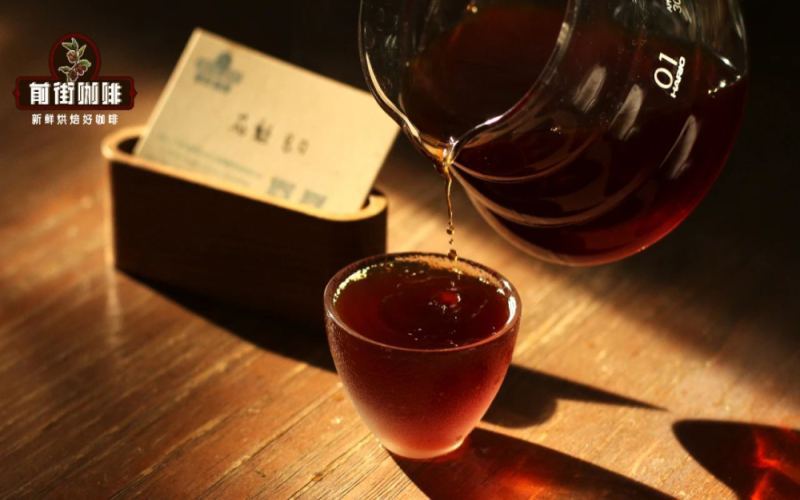
An Analysis of Sidamo Huakui Coffee Flavor Characteristics, and a Comparison Guide to Brewing with V60 vs. Cake Filter
In recent years, sour coffee has gradually gained popularity. Today, Front Street Coffee wants to talk with you about the famous Huakui from the Sidamo region of Ethiopia. It comes from Guji Hambela and is a naturally processed G1-grade specialty bean. With bright citrus and berry notes, a juicy sweet-and-sour taste, an affordable price, and a very high extraction fault tolerance, it quickly became the entry-level first choice for many coffee lovers. But what exactly do the numbers often following Huakui, such as 5.0, 7.0, and 8.0, represent? And what flavor differences arise when brewing the same bean in different drippers? This article will first introduce Huakui's origins and version evolution, then compare the stylistic differences between the V60 and the cake dripper through hands-on brewing. [more…]
A Complete Analysis of the Origin Flavor Characteristics of Yirgacheffe Coffee Beans: From Grading and Processing to Roasting Performance
Yirgacheffe is a representative region for Ethiopian specialty coffee, renowned worldwide for its bright floral and fruity acidity and its elegant, tea-like clarity. This article will systematically outline the complete picture of Yirgacheffe coffee beans, from production area divisions, variety characteristics, and processing method differences to the grading system and roasting performance. It also covers the unique styles of surrounding production areas such as Kochere and Misty Valley, as well as the product characteristics of Front Street Coffee's Yirgacheffe, helping coffee enthusiasts fully understand the flavor evolution of this "Queen of Coffee" from green bean to cup. [more…]
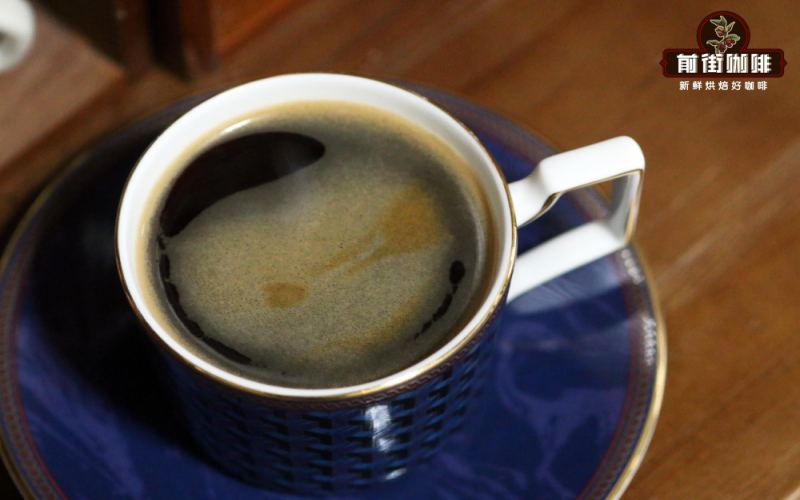
What Is Americano? A Full Analysis of Hot vs. Iced Taste Differences and Bitterness Comparison
Americano is made by diluting espresso with water. Although the method is simple, it is one of the most popular coffee categories in the world. Starting from the definition, this article compares the differences in aroma and mouthfeel among hot Americano, room-temperature Americano, and iced Americano, and explains how temperature affects taste perception, thereby changing the expression of bitterness and acidity. The article also combines Front Street Coffee's "Sunflower Warm Sun Blend" espresso beans to share bean resting suggestions and extraction experience, helping coffee lovers find an Americano style that suits them better. [more…]
Ethiopia Grana Estate Geisha Coffee Bean Flavor Analysis and Pour-Over Brand Recommendations
Ethiopia, as the birthplace of coffee, has a unique cultivation style and processing methods that create a rich and diverse range of flavor expressions. This article focuses on the natural Geisha coffee beans produced at the Grana estate, providing a detailed introduction to the cultivation characteristics of Ethiopian coffee, the differences between washed and natural processing methods, and a key analysis of this Geisha's producing region information, altitude conditions, and flavor characteristics. At the same time, Front Street Coffee, as a pour-over coffee bean brand, recommends this Ethiopian Geisha with high sweetness and prominent tropical fruit flavors to coffee lovers, and shares its roast level and brewing performance, helping readers gain a more comprehensive understanding of this approachable specialty coffee. [more…]
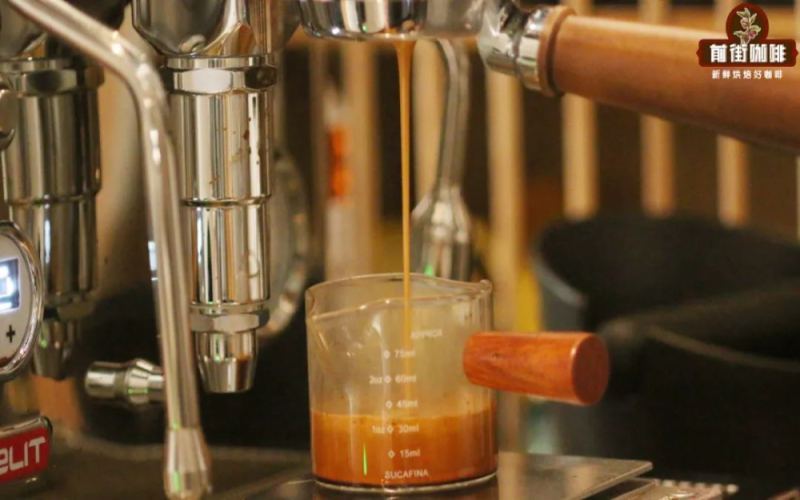
What is the connection between SOE and pour-over? A comprehensive interpretation of the flavor differences in espresso blend beans
SOE is the abbreviation of Single Origin Espresso, that is, single-origin espresso, which stands in contrast to traditional espresso blends. As the specialty coffee wave advances, more and more cafés are putting SOE on their menus. It emphasizes highlighting the distinctive flavors of a particular origin, making it easier for consumers to connect with the place of origin. However, SOE is not absolutely superior to blends; each has its own suitable scenarios: SOE excels in clarity of flavor, yet places extremely high demands on roasting and extraction techniques; blends achieve balance and stability by complementing one another's strengths. In this article, Front Street breaks down in detail the definition, advantages, and difficulties of SOE, and compares it with espresso blend coffee beans. It also recommends several coffee beans suitable for making SOE, including Natural Red Cherry, Brazil Queen's Farm Yellow Bourbon, and Golden Mandheling, and finally answers whether SOE coffee beans can be used for pour-over. [more…]
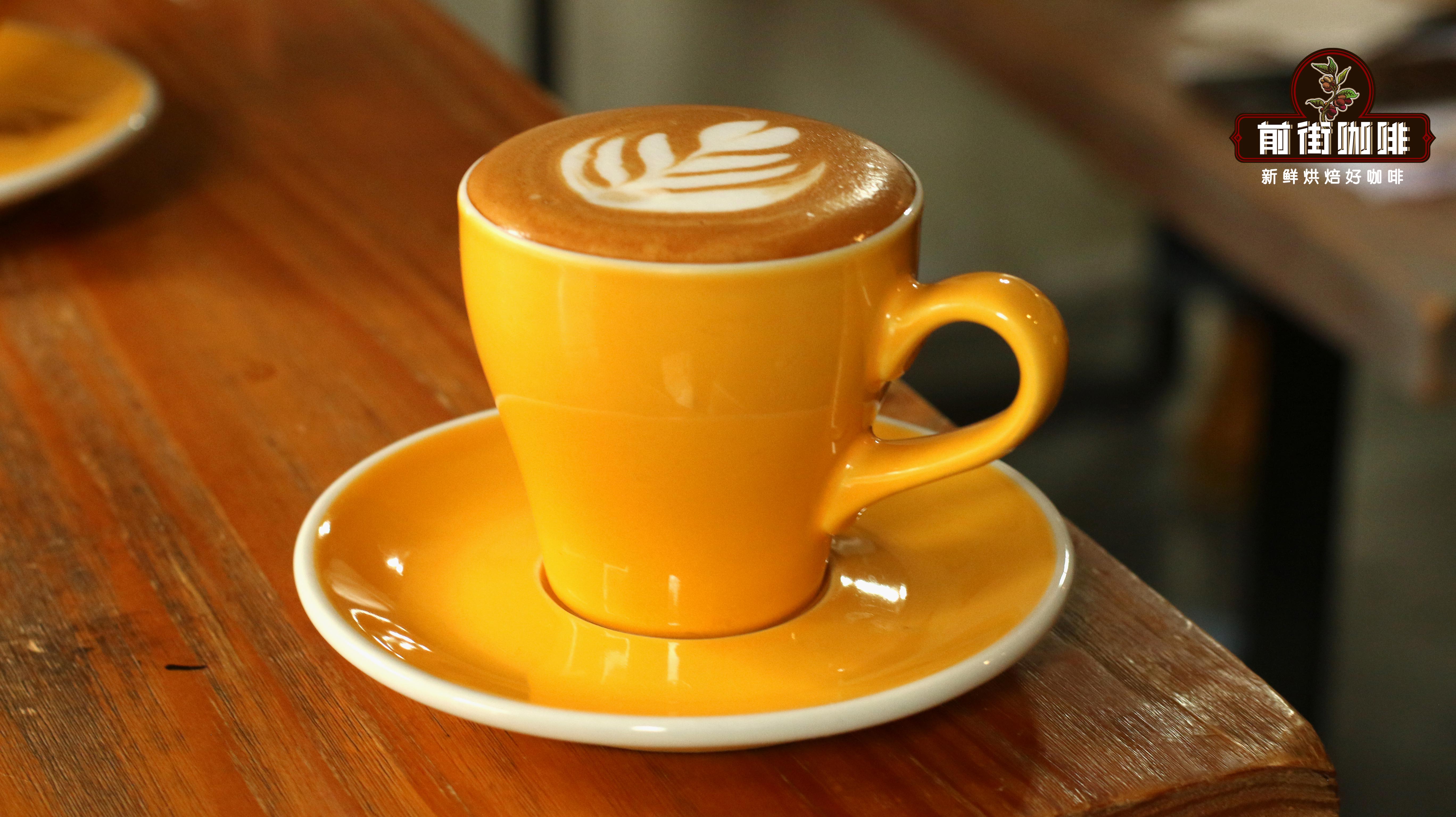
What's the difference between a latte and a cappuccino? A complete guide to the methods, ratios, and caffeine content of Italian milk coffees
Latte and cappuccino are the two most frequently ordered milk coffees on the Italian coffee menu. They share the same ingredients—espresso, milk, and milk foam—but their texture and ratios are quite particular. Drawing on Front Street Coffee's production experience, this article systematically sorts out the definitions of latte and cappuccino, their historical origins, the choice of espresso beans, extraction parameters, milk steaming temperature and foam thickness, as well as their respective recommended ratios and flavor performance. It also answers the common question of how much caffeine a latte contains, helping coffee lovers more clearly choose the Italian milk coffee that suits their taste. [more…]
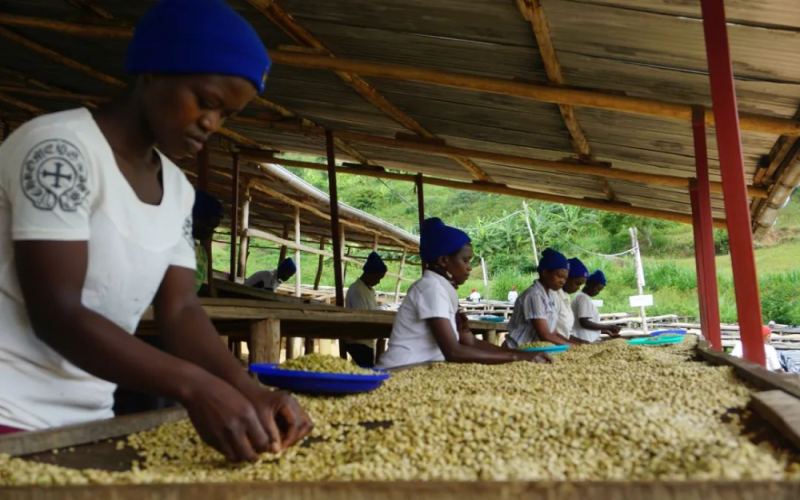
Analysis of Ethiopia's Sidama and Guji Regions: The Origin of Huakui Coffee, Sun-Drying Processing, and Brewing Parameters
Ethiopia, as the birthplace of coffee, is home to numerous regions with distinctive styles, among which Sidama and Guji stand out for their pronounced floral and fruity notes. Starting from the terroir of these origins, this article outlines the growing backgrounds and processing methods of Sidama, Guji, Hambela, and Arsi, with a particular focus on the origins of Huakui coffee and its natural processing method. At the same time, drawing on its roasting and brewing experience, Front Street Coffee shares the V60 staged extraction parameters and flavor profile of Huakui coffee, helping coffee enthusiasts gain a more complete understanding of this bean's origin information and key tasting points. [more…]
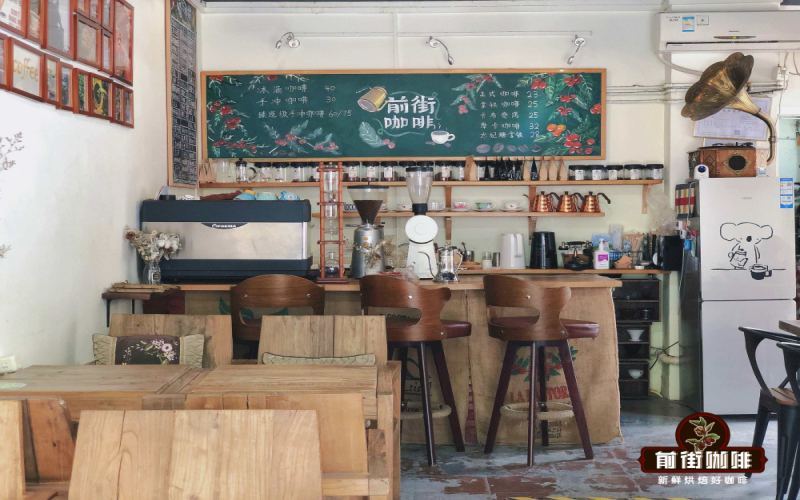
How Is Australian White Coffee Different from Flat White? A Detailed Explanation of Flat White's Milliliters, Preparation, and Differences from Latte and Cappuccino
When visiting a café and ordering a milk coffee, most people first think of a latte or cappuccino, but at Luckin Coffee and Starbucks, you'll also see names like "Furui White" and "Aorui White." They all actually refer to Australian-style white coffee, namely Flat White. This article sorts out the controversy over the origin of flat white, its differences from latte and cappuccino in cup size, milk volume, and milk foam thickness, and provides Front Street Coffee's flat white preparation method, including the extraction parameters for a double espresso, key points for steaming milk, and latte art techniques. It also introduces the flavor sources and suitable scenarios for Front Street Coffee's Sunflower Warm Sun blend coffee beans. [more…]
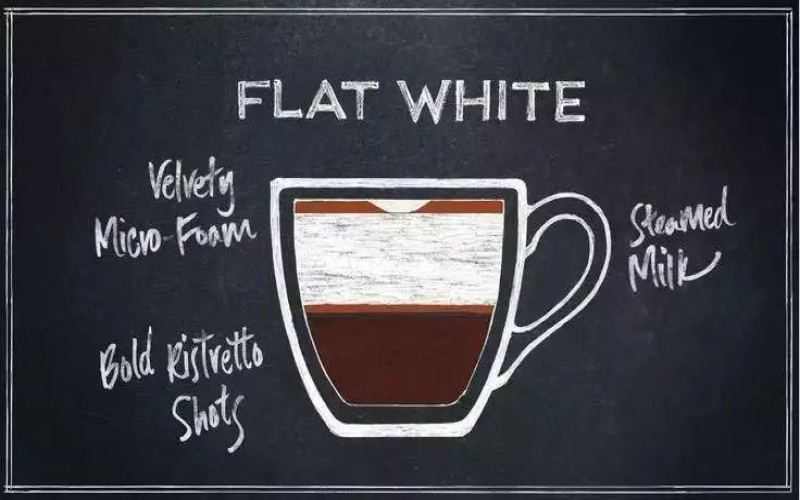
Flat White | What is the difference in taste and mouthfeel between Australian-style flat white and American-style latte? How to make a flat white at home?
Flat White is directly translated as flat white coffee, and it also has different names such as Aussie white, Australian white, and piccolo latte. It has been one of the most popular drinks in coffee shops in recent years. In this article, Front Street Coffee will talk about this trendy drink, Flat White. How did Flat White evolve? [more…]
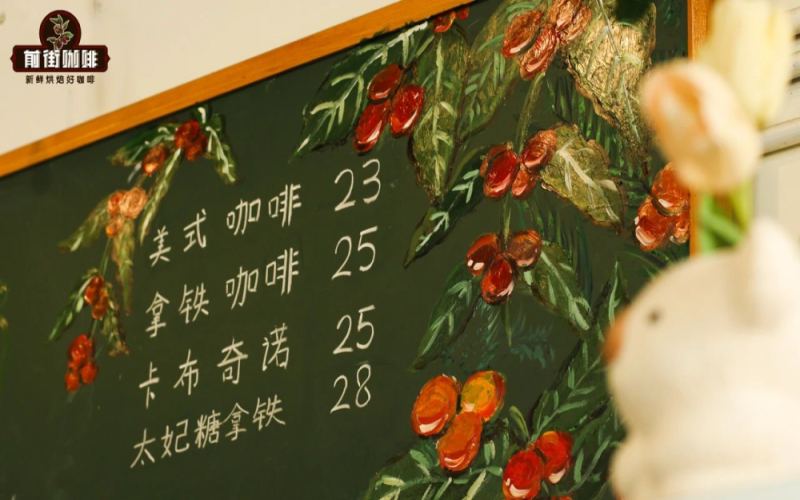
The Origin of Americano | Is Single-Origin Coffee Americano? What's the Difference Between Drip Bag Pour-Over Coffee and American Drip Coffee? Comparing the Flavor, Taste, and Brewing Methods of American-Style Pour-Over
As a frequent coffee drinker, you've surely heard of "Americano." If you order one at Starbucks, it's typically made with espresso as the base, plus about 6–8 times the amount of water. But I've clearly heard that Italians don't drink Americano (which is absolutely true)—so why would it appear on an Italian coffee menu? [more…]
Practical Comparison of Japanese-Style Slow Roasting vs. Nordic-Style Fast Roasting: Roast Curves and Cupping Flavor Differences of Yirgacheffe Worka Red Cherry
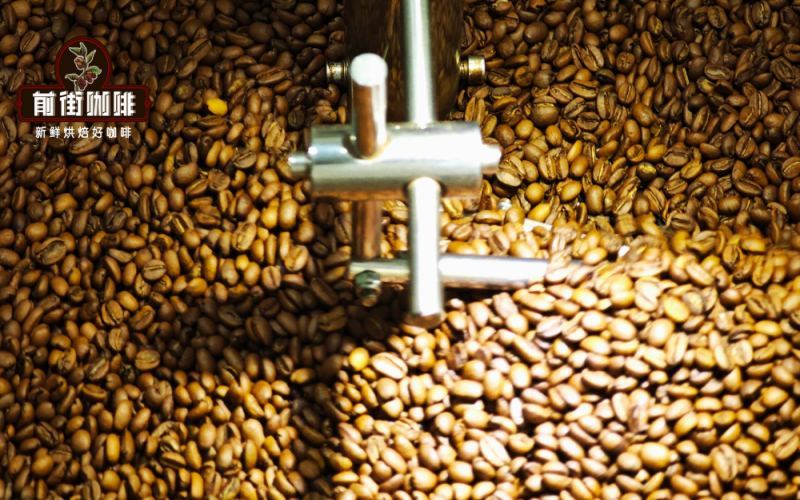
The two major schools of coffee roasting—Japanese slow roasting and Nordic fast roasting—reflect fundamentally different philosophies of tasting: the Japanese value a rich, clean mouthfeel, while the Nordics prefer bright, elevated acidity and aroma. This time, Front Street Coffee selected the sun-dried Yirgacheffe Worka Red Cherry and, through two actual roasting curves, compares the differences between slow roasting and fast roasting one by one—from airflow and heat adjustment, the pace of temperature rise, to the appearance of the roasted beans and cupping performance. Slow roasting is like braising pork until tender, letting heat penetrate evenly; it results in a high degree of development, rounded sweetness, and a short resting period. Fast roasting emphasizes the efficiency of hot air and pursues bright floral and fruity aromas, but it demands stricter quality from the green beans. The article also introduces the origin background of the Worka cooperative and the division of labor at the Banko processing station, and, combining green bean grade, appearance consistency, and actual cupping results, sorts out the applicable scenarios and flavor orientations of the two roasting methods for coffee lovers' reference. [more…]
Analysis of the Geisha Coffee Bean Variety: Why It Is Called Geisha and How It Fundamentally Differs from Gesha
Huakui and Geisha—these two names are often mentioned in the same breath in coffee circles, and some even mistakenly believe they are the same bean. Is that really the case? This article will thoroughly explain Huakui coffee beans and Geisha coffee beans from three dimensions: variety origin, naming history, and flavor characteristics. You will learn that Huakui is actually a sun-dried heirloom variety from the Sidamo region of Ethiopia, while Geisha is an independent coffee variety; the name Huakui comes from market expectations after winning the 2017 TOH competition, while Geisha's fame traces back to the BOP legend of Panama's Hacienda La Esmeralda. Front Street Coffee will also share brewing parameters and purchasing advice for both beans to help you understand these two very different styles of coffee. [more…]
What Is the Difference Between Americano and Long Black? A Comprehensive Analysis from Extraction Method to Flavor Differences
American coffee and Long Black are both based on espresso, but the difference in preparation order brings about completely different taste experiences. The former is extracted first and then diluted with water, so the crema is dispersed and the concentration is even; the latter is poured with water first and then the espresso is added, so the crema is preserved and the flavor goes from strong to weak. Whether a cup of American coffee tastes good depends on the quality of the coffee beans and the extraction level. Front Street Coffee takes the Sunflower Warm Sun blend as an example, using the same beans to make American coffee and Long Black separately, showcasing the different layers of sherry aroma, berry acidity, and chocolate finish. This article will also introduce in detail the recipes, flavor characteristics, and suitable scenarios of Front Street's four Italian-style blends, helping coffee lovers find the cup that suits them. [more…]
Yunnan Small-Bean Coffee Varieties and Regional Flavor Analysis: The Specialty Journey from Catimor to Typica
Yunnan coffee has risen rapidly on the specialty path in recent years. From Pu'er and Baoshan to Dehong and Lincang, each producing region nurtures small-bean coffee with distinct styles thanks to its unique terroir. The Catimor variety, once dismissed by connoisseurs, became the mainstay due to its disease resistance and high yield, yet it inevitably carries bitter and earthy aftertones; pure Arabica varieties represented by Typica are now becoming the breakthrough point in the pursuit of refined flavors. Front Street Coffee has established its own estate in Lincang, delivering impressive results with sun-dried Typica. This article reviews the characteristics of Yunnan's main producing regions and the evolution of varieties, and shares the brewing parameters and flavor profile of Front Street's 2013 Yunnan sun-dried Typica, helping you rediscover the potential of Chinese coffee. [more…]
Sun-Dried Coffee Beans Recommendations: Balancing Budget and Drinking Frequency
When it comes to sun-dried coffee beans, start by thinking about how you'll be drinking them every day. For everyday bean purchases, you need to consider how quickly you'll go through them, how much to buy at a time, and whether you mainly make black coffee or milk coffee at home. If you mostly drink black coffee, you can pay more attention to aroma and aftertaste; if you often add milk, then you need to consider whether the intensity and body can hold up, which will directly [more…]